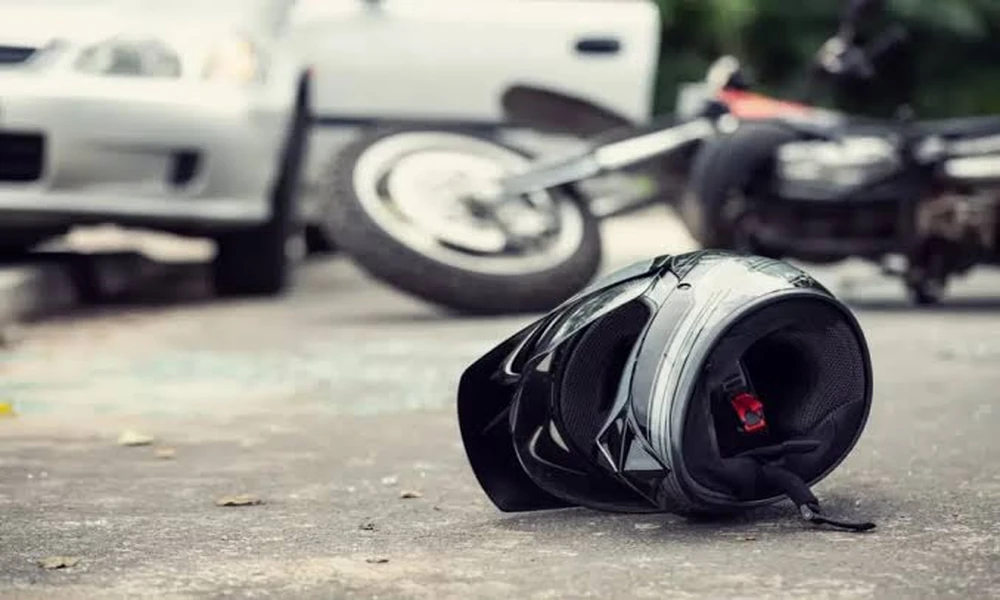
Distracted driving can turn an ordinary trip into a serious accident within seconds. Motorcyclists are particularly exposed because they have far less physical protection than people traveling inside passenger vehicles. When a driver looks at a phone, adjusts navigation, eats, or focuses attention somewhere other than the road, a nearby rider may have very little time to react.
For an injured motorcyclist, the consequences can extend well beyond the initial crash. Medical treatment, missed work, rehabilitation, motorcycle damage, and lasting physical limitations can create substantial financial pressure. Pursuing compensation provides a legal path for addressing losses caused by another person’s negligent behavior.
Distracted Driving And Motorcycle Collisions
Distraction takes many forms. Texting and using a smartphone are common examples, but they are not the only causes. A driver may become distracted while changing music, speaking with passengers, reaching for an object, checking a navigation system, or dealing with something inside the vehicle.
These actions are especially dangerous around motorcycles. A distracted motorist may underestimate the space between cars, miss a motorcycle in a nearby lane, or fail to see a rider approaching a crossroads.
After such an accident, consulting an attorney for motorcycle accident claims may help an injured rider understand the legal process, evaluate available evidence, and determine what compensation may be pursued based on the circumstances.
Establishing That The Driver Was Distracted
A successful injury claim generally requires evidence connecting the other driver’s conduct to the collision. Simply believing that a driver was using a phone may not be enough. The available evidence should help establish what happened immediately before and during the crash.
Police reports can provide an important starting point. Officers may document statements from drivers and witnesses, observations from the scene, traffic violations, and other relevant details. Witnesses may also have seen the driver looking down, holding a phone, or behaving unusually before impact.
Depending on the case and applicable legal procedures, phone records may become relevant. Video footage from traffic cameras, nearby businesses, homes, or vehicle dash cameras can also provide valuable information. Photographs of the crash scene, vehicle positions, skid marks, road conditions, and damage can help create a clearer picture of the collision.
Early evidence preservation might be especially crucial since, over time, witnesses may become harder to find, and video recordings may be erased.
Documenting Motorcycle Accident Injuries
Motorcycle collisions can cause significant injuries, including fractures, road rash, head trauma, spinal injuries, internal injuries, and damage to joints or soft tissue. Surgery or months of therapy may be necessary for certain injuries.
Medical documentation can help demonstrate both the nature of an injury and its financial consequences. Riders should retain relevant medical records, treatment information, bills, prescription expenses, and rehabilitation documentation.
Following medical recommendations can also create a consistent record of recovery. If symptoms continue or new complications develop, those changes should be appropriately documented by medical professionals.
Calculating The Financial Impact
Compensation after a motorcycle accident is not necessarily limited to immediate hospital expenses. The financial impact may continue for months or even years.
A claim may account for emergency treatment, hospitalization, surgery, medication, physical therapy, follow-up appointments, and other necessary medical care. Future treatment may also become relevant when an injury requires ongoing management.
Lost income is another important consideration. A rider may be unable to work temporarily or may experience lasting limitations that affect future earning capacity. Records such as pay statements, employment information, and documentation of missed work can help establish these losses.
Property losses may include motorcycle repairs or replacement as well as damage to riding equipment and other personal property.
Depending on applicable law and the facts of the case, compensation may also address nonfinancial harm such as physical pain, emotional distress, reduced mobility, or loss of enjoyment of everyday activities.
Dealing With Insurance Companies
Insurance companies typically investigate motorcycle accident claims before deciding whether to offer a settlement. During this process, an insurer may question how the accident occurred, challenge the severity of injuries, or argue that the motorcyclist contributed to the collision.
An early settlement offer can sometimes appear attractive when medical bills and household expenses are accumulating. However, accepting an offer generally resolves the covered claim, which makes understanding the extent of current and potential future losses important before agreeing to a settlement.
Keeping organized documentation can make the claim easier to support. Medical bills, repair estimates, photographs, employment records, correspondence, and other accident-related materials should be retained.
When Fault Is Disputed
Distracted driving cases are not always straightforward. A driver may deny using a phone or argue that the motorcyclist was speeding, following too closely, or otherwise contributed to the accident.
When fault is contested, evidence becomes especially significant. Crash scene documentation, witness accounts, video recordings, vehicle damage, and accident reconstruction may help determine how the collision occurred.
The rules governing shared responsibility vary by jurisdiction. If both parties are found partly responsible, the amount recoverable may be affected by the percentage of fault assigned to each person.
Moving Forward After A Distracted Driving Crash
Recovering from a motorcycle accident can involve medical, financial, and legal challenges at the same time. Riders pursuing compensation should focus on documenting their injuries, preserving evidence, keeping records of financial losses, and understanding the deadlines that apply to their claim.
Distracted driving accidents are preventable, yet their consequences can be lasting. A carefully documented claim can help an injured motorcyclist pursue compensation that reflects not only immediate expenses but also the broader effect the collision may have on work, health, finances, and daily life.